Hey everyone,
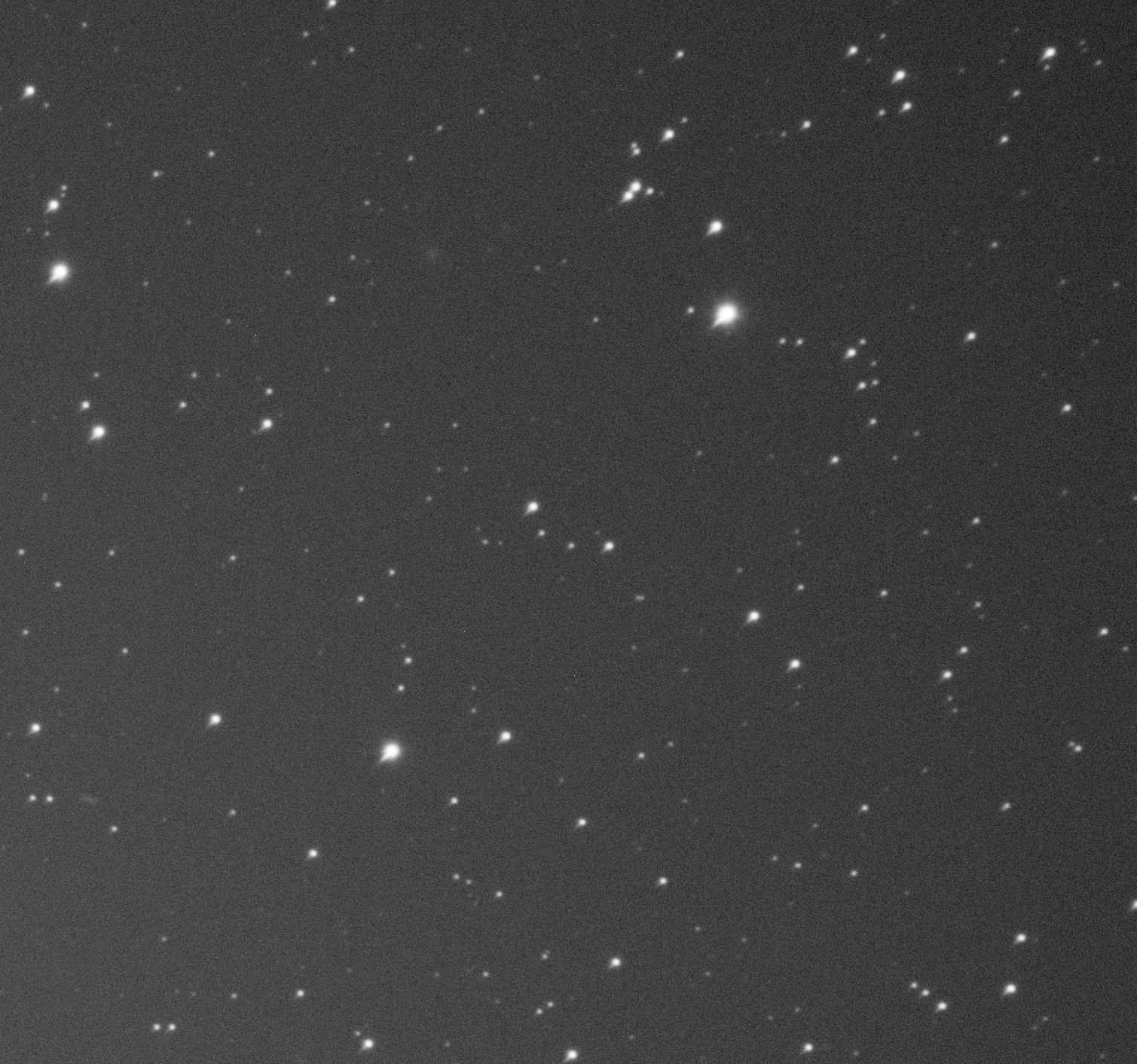
A warm thanks for your help once again. After many iterations and quite a bit of trial and error, I think I have finally managed to get a decent result across the APS-C sensor. I’ve attached a single 180 s exposure together with an Aberration Inspector view.
Abinsp.jpg
📷 Abinsp.jpg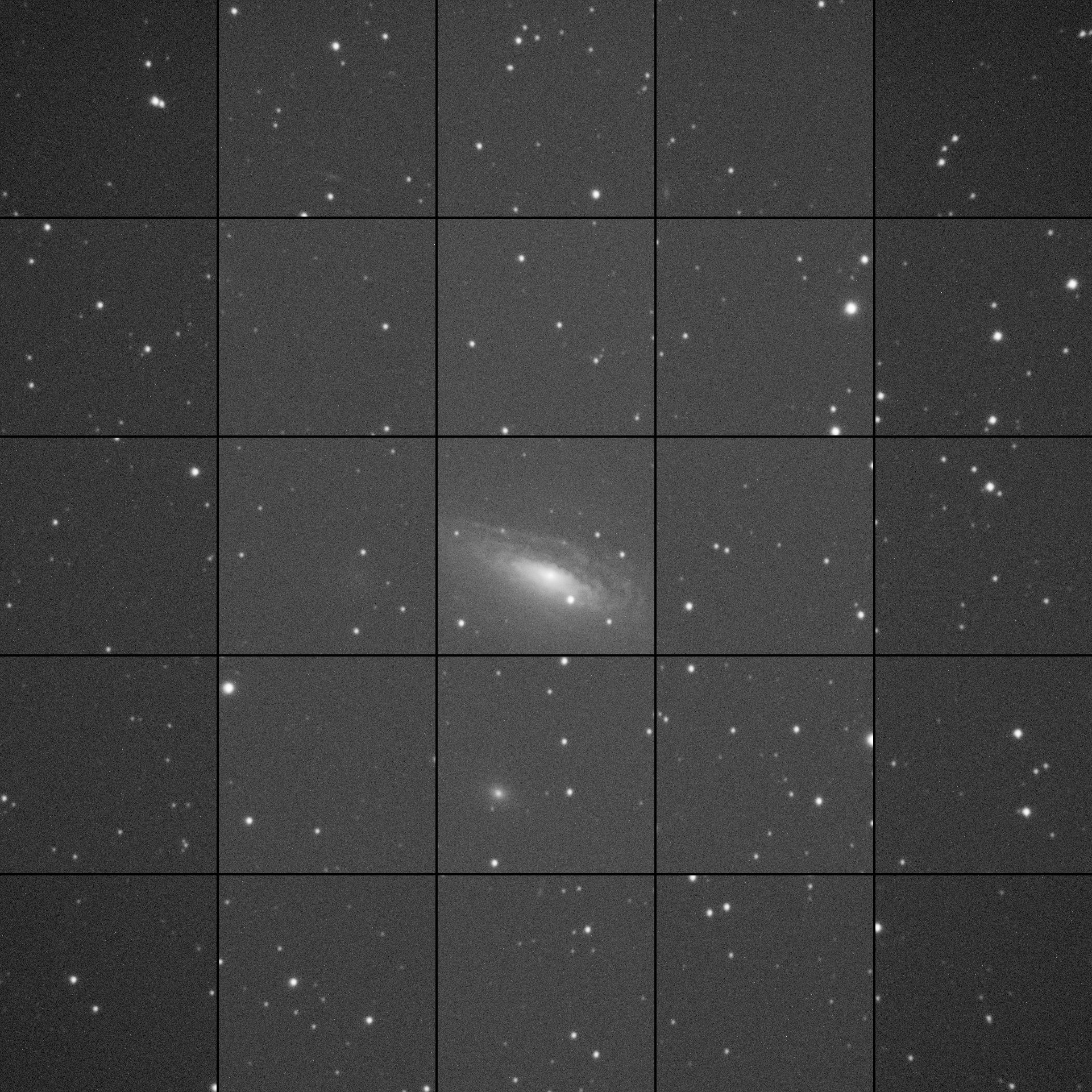
Here is some feedback from my experience:
1/ Backfocus was the main issue.
As suggested by some of you, the aberration pattern initially looked very much like the sensor was too far from the corrector, despite my imaging train being set close to the theoretical 90.3 mm backfocus.
I progressively shortened the spacing and eventually found a sweet spot with a nominal mechanical backfocus of approximately 83 mm, based on the sum of the individual components:
20 + 5 + 0.8 + 2 mm spacers/adapters + 5 mm tilt plate + ZWO OAG-L + EFW + ASI2600MM (without the original ZWO tilt plate).
I was not able to directly measure the complete imaging train with sufficient accuracy, so this value is based on the nominal thickness of each individual component. Nevertheless, the overall spacing is clearly significantly shorter than the recommended 90.3 mm.
I would be very interested to know whether anyone else using the Starizona SCT Corrector IV has had a similar experience and ended up with an optimal spacing significantly shorter than the theoretical backfocus.
Collimation was also checked during the process and was found to be acceptable, so I did not make any further adjustments.
2/ A very interesting point for Celestron users: the dew-heater ring.
Despite the considerable improvement obtained by correcting the backfocus, on some nights I was still seeing rather unpleasant asymmetrical spikes/distortions around the stars.
I initially suspected the remaining backfocus error and changed the spacing again, but this made essentially no difference.
Eventually, I turned the Celestron dew-heater ring down to its minimum setting — and the spikes simply disappeared.
This was quite a surprise. I assume that thermal effects from the heater ring were somehow inducing a local deformation or thermal gradient affecting the optical path. In any case, this may be worth keeping in mind for Celestron users seeing unexplained asymmetric star shapes while using the heater ring.
3/ Tilt was the final adjustment.
Finally, I played around with the tilt. This provided some additional improvement, but it was clearly a relatively minor factor in my case compared with backfocus and the dew-heater ring.
Overall, I’m now getting what I consider a reasonably clean and usable field across the APS-C sensor. It is certainly not perfect at the extreme edges, particularly on the right upper corner, but this is by far the best result I have obtained so far. I’ll try to further improve the field, but I’m quite happy with the result at this stage.
I hope this feedback can be useful to others struggling with a similar setup, and I’d be interested to hear about your own optimal backfocus measurements.
A warm thanks to everyone for your guidance and recommendations along the way — they have been extremely helpful.
Clear skies to all !


 Hope this helps, and good luck optimizing this fantastic setup. Don’t hesitate to keep me updated if you try shortening your backfocus!